Bring Handmade Artistry to Digital Projects with Watercolor Brushes
There’s a unique warmth and authenticity that hand-painted elements bring to a design. That slight imperfection, the organic bleed of color, the textured grain of paper—these are details that resonate deeply because they feel human. In a landscape saturated with flawless digital vectors and sterile graphics, incorporating a handmade touch can make your work stand out and connect on a more personal level. This is precisely why a comprehensive toolkit like the 170 Watercolor Brushes Pack for Photoshop has become an indispensable asset for creators across many fields. It bridges the gap between traditional artistry and modern digital workflow, offering a vast library of authentic, textured elements ready to elevate any project.
Understanding the Texture: More Than Just Brushes
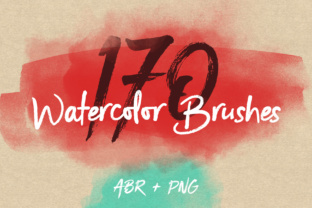
At its core, this collection is a curated library of stamp brushes, each one derived from a real watercolor element painted on paper and then meticulously digitized. This process preserves the genuine, nuanced texture that digital simulations often miss. You’re not just adding a color wash; you’re introducing the subtle granulation of pigment, the way light interacts with the raised fibers of cold-press paper, and the unpredictable, beautiful edges that define true watercolor art. The pack includes an ABR file containing 175 such brushes, offering a tremendous range of shapes, splatters, blooms, and washes. For even greater flexibility, it also provides 175 corresponding PNG files with transparent backgrounds, each sized to match its brush counterpart. This dual-format approach ensures compatibility and ease of use, whether you prefer the non-destructive workflow of Photoshop brushes or need to place high-resolution elements directly in other software like Affinity Photo, Canva, or even presentation tools.
Where Handmade Elements Shine: Practical Applications
The true value of a resource like this is its versatility. The applications extend far beyond fine art, seamlessly integrating into commercial and personal projects where a touch of elegance and personality is desired.
Brand Identity & Logo Design: For brands aiming to convey warmth, craftsmanship, or a natural, artisanal quality, watercolor textures are powerful. Imagine a boutique bakery using a soft watercolor wash behind its logo, or a wellness coach incorporating subtle floral watercolor accents into their brand collateral. These elements help build a cohesive and emotionally resonant visual identity that tells a story.
Packaging & Product Design: Physical products can benefit immensely. A watercolor border on a soap label, a delicate splash of color on a coffee bag, or an artistic background for a candle box immediately suggests care and quality. The texture adds a tactile, premium feel to the design, even when printed on standard materials.
Invitations & Greeting Cards: This is a classic and perfect use case. Wedding invitations, holiday cards, or thank-you notes gain an instant heirloom quality with hand-painted accents. Using these brushes, you can create custom floral arrangements, elegant dividers, or beautiful monogram backgrounds that look bespoke and personal.
Digital Presence & Social Media: In the fast-scrolling world of social media, unique visuals stop thumbs. Watercolor textures can be used to create eye-catching Instagram story backgrounds, Facebook post templates, or Pinterest graphics that stand out in a feed. They’re also ideal for designing beautiful blog headers, website banners, or lead magnet covers that give a cohesive, branded look to your digital content.
Editorial & Print Layouts: Designers working on magazines, lookbooks, or annual reports can use watercolor elements to break up text-heavy pages, highlight pull quotes, or create beautiful section dividers. This technique adds a layer of artistic flair and helps guide the reader’s eye through the layout in an engaging way.
Integrating Texture into Your Design Workflow
Working with stamp brushes is straightforward, but a few practical tips can help you achieve the best results and maintain a professional standard.
First, consider the scale and context. A large, bold splatter might be perfect for a poster background but could overwhelm a small business card. The included preview showing all brushes and their pixel sizes is a valuable reference for planning. Start by selecting elements that complement your project’s overall mood—a soft wash for subtlety or a vibrant splatter for energy.
Layering is key to realism. Don’t just stamp a brush on top of your design. Experiment with layer blend modes like Multiply, Overlay, or Soft Light to make the texture interact with the colors and elements beneath it. Adjusting the opacity allows you to dial the effect up or down, from a faint hint of texture to a bold statement.
Pairing these organic textures with clean typography is a classic design strategy. A strong, simple sans-serif font or an elegant serif typeface can provide a beautiful contrast to the free-form watercolor elements, ensuring your text remains highly readable while benefiting from the artistic backdrop. This contrast is where modern typography meets handmade charm, creating a balanced and sophisticated composition.
Finally, always consider your final output. The high-resolution PNG files are excellent for projects that require precise placement or for use in software without brush support. For Photoshop users, the ABR file allows for dynamic adjustment of brush size and angle, offering more creative control during the design process. Before finalizing any project, especially for print, do a test print to ensure the texture translates well and maintains its intended impact.
A Tool for Connection and Creativity
Ultimately, design is about communication. The textures and elements we choose are part of our visual language. Incorporating hand-painted watercolor details is a way to communicate authenticity, creativity, and a human touch in a digital medium. Whether you’re a graphic designer building a client’s brand, a small business owner crafting your own marketing materials, or a hobbyist creating beautiful stationery for loved ones, having a reliable and extensive library of these assets empowers you to produce work that feels both professional and personally meaningful. It’s not just about adding decoration; it’s about enriching your projects with a layer of visual storytelling that resonates.