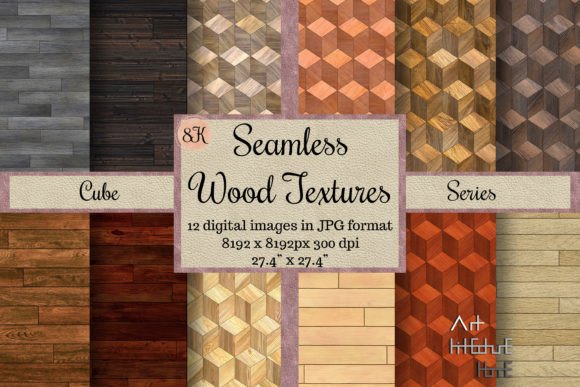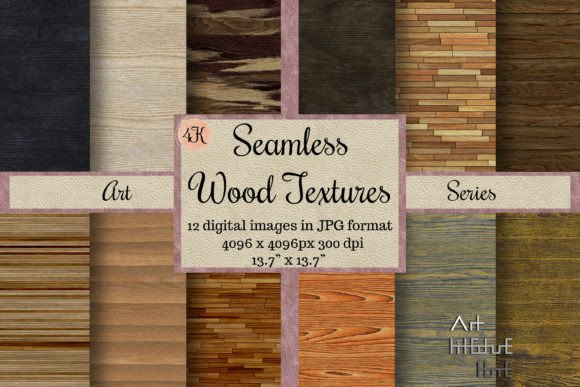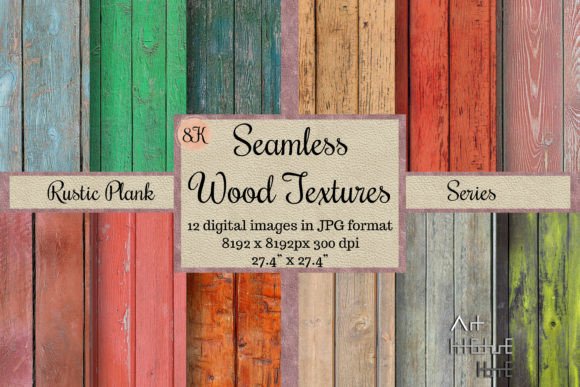
Elevate Your Designs with Ultra-Realistic 8K Wood Textures
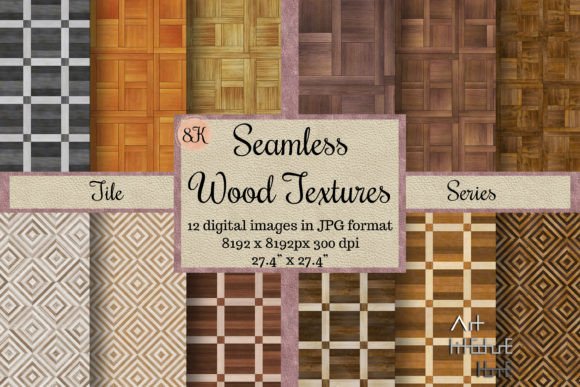
There's a certain warmth and authenticity that real wood brings to a visual project. It conveys craftsmanship, nature, and a timeless quality that synthetic materials often struggle to replicate. For designers, marketers, and creators, sourcing a high-quality, versatile wood texture that doesn't look artificial or repetitive is a common challenge. This is where a meticulously crafted collection like the 12 Seamless 8K Tile Wood Textures becomes an indispensable asset, offering a solution that blends photorealistic detail with practical, tileable formats for both digital and physical applications.
The Power of Seamless, Ultra-High-Resolution Assets
What sets this particular set of textures apart is the combination of seamless tiling and 8K resolution. Each texture is designed to repeat flawlessly without visible seams or awkward pattern breaks, a crucial feature for large-scale applications like website backgrounds, architectural renders, or printed wall art. The 8192 x 8192 pixel dimension at 300 dpi means you're working with a file that measures a substantial 27.4 x 27.4 inches. This isn't just a digital asset; it's a print-ready resource. Whether you're creating a poster for a local café, a high-end product label, or a backdrop for a photo shoot, the detail remains crisp and lifelike, capturing the grain, knots, and subtle color variations of genuine timber.
This level of quality directly translates to professional presentation. When you use a low-resolution or poorly tiled texture, it can cheapen the overall design, undermining the credibility of a brand or project. In contrast, a premium, seamless texture adds a layer of depth and sophistication. It becomes a foundational element of your visual language, helping to establish a consistent and recognizable brand identity across all touchpoints, from a website header to a business card.
From Digital Screens to Physical Spaces: Practical Applications
The true value of a versatile asset pack lies in its range of uses. These wood textures are far more than just background patterns for social media graphics, though they excel there. Imagine a small business owner creating a cohesive look for their artisanal products. They could use the same wood texture as the background for their Instagram posts, the texture on their product packaging, and even as the surface for their e-commerce product photography, creating a unified and trustworthy brand experience.
For content creators and bloggers, these textures can instantly elevate editorial layouts. A food blogger might use a rustic oak texture as a base for recipe cards or as a backdrop for overhead shots. A travel blogger could use a lighter wood grain to frame quotes or create custom Pinterest pins that stand out. The possibilities extend into the physical realm with remarkable ease. Thanks to the high resolution and seamless format, these files are perfect for:
- Print-on-Demand Merchandise: Designing unique phone cases, tote bags, or notebook covers with a realistic wood finish.
- Crafting and DIY Projects: Using with cutting machines like Cricut for creating decals, stickers, and custom scrapbooking elements.
- Event and Wedding Stationery: Crafting elegant invitations, place cards, and menus with a natural, sophisticated theme.
- Architectural and Interior Design Visuals: Rendering realistic floor plans, wall treatments, or furniture concepts for client presentations.
- Miniature Modeling: Providing perfectly scaled, high-detail wood surfaces for dollhouse flooring or model train layouts.
The key is that you're not just buying a set of images; you're acquiring a toolkit for creating tangible products and immersive digital environments. The 100% seamless format eliminates the technical headache of manual tiling, allowing you to focus on the creative process.
Integrating Texture into Your Creative Workflow
Choosing the right texture is similar to selecting a typeface; it must align with the project's tone and goal. A dark, rich walnut grain might suit a luxury brand's packaging or a lawyer's website, conveying stability and tradition. A lighter, bleached pine could be ideal for a Scandinavian-inspired interior design blog or a wellness brand's marketing materials, suggesting airiness and simplicity.
Here’s some practical advice for integrating these assets effectively:
- Match to Your Brand's Personality: Before selecting a texture, define the emotional response you want to evoke. Is it rustic charm, modern elegance, or industrial edge? Let that guide your choice.
- Test for Readability: When using a wood texture as a background for text, ensure sufficient contrast. A busy, high-contrast grain might require a semi-transparent overlay or a solid color block behind the text to maintain legibility.
- Pair with Complementary Typography: A rugged, distressed wood texture pairs well with bold, geometric sans-serif fonts or classic serifs. A smooth, linear grain might complement clean, modern typography. The interplay between texture and type creates visual harmony.
- Consider Commercial Use: For entrepreneurs and businesses, it's vital to verify the licensing of any asset. A pack designed for commercial use allows you to incorporate these textures into products you sell, marketing materials, and client work without legal ambiguity, making it a sound investment.
In the end, the goal is to use these powerful design assets to build a more engaging and professional visual presence. By moving beyond generic digital backgrounds and embracing tangible, high-quality textures, you can create work that feels more authentic, detailed, and memorable to your audience. It's about giving your projects a foundation that is both beautiful and built to last.