Rustic Charm for Every Project: Seamless Wood Textures
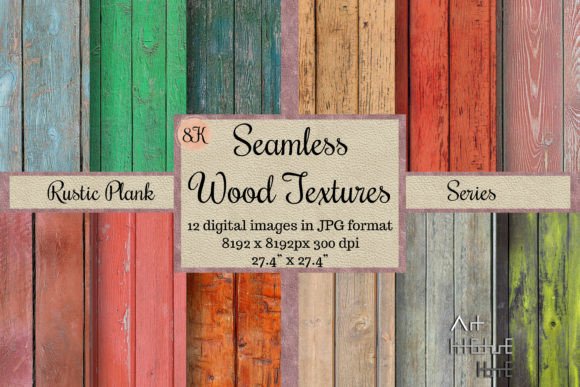
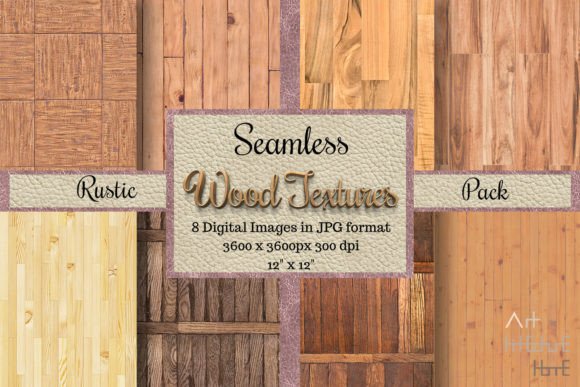
There's something undeniably inviting about the look of natural wood. It evokes warmth, craftsmanship, and a sense of timelessness that synthetic materials often struggle to replicate. Whether you're designing a logo for a boutique coffee roaster, creating social media graphics for a home decor blog, or laying out the packaging for artisanal goods, the right visual texture can make all the difference. This is where a versatile resource like the Seamless Wood Textures - Rustic Pack comes into play, offering a collection of high-resolution, repeating patterns that bring authentic, organic character to digital and print designs alike.
More Than Just a Background: The Power of Texture in Design
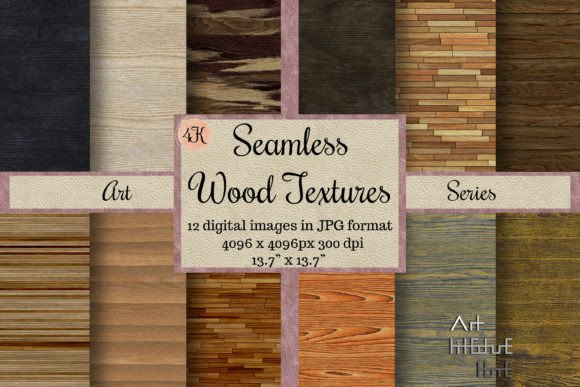
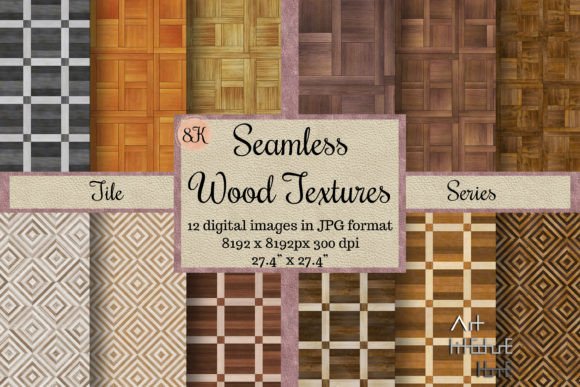
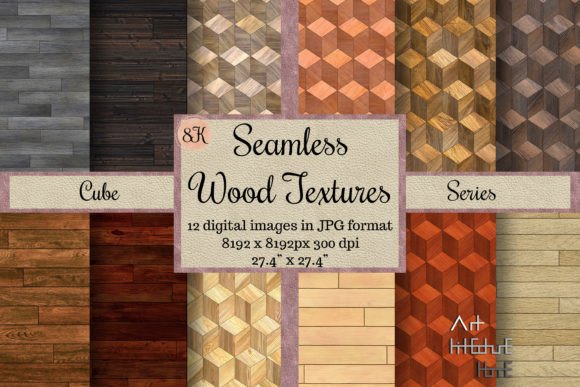
Visual texture does more than fill empty space; it communicates a feeling, sets a tone, and reinforces a brand's personality. A sleek, polished wood grain might suggest modern sophistication, while a weathered, knotted plank tells a story of rustic authenticity and handmade quality. The Seamless Wood Textures - Rustic Pack provides eight distinct variations, each capturing a different facet of this classic material. Because each seamless texture measures 12x12 inches at 300 dpi, they are built for serious work. This high resolution means you can scale them for large-format prints like posters or trade show banners without losing clarity, or use them at standard web sizes with crisp, clean results.
The seamless format is a critical feature for designers. It allows you to tile the texture infinitely across a surface—be it a website background, a product label, or a piece of fabric—without visible seams or awkward breaks. This creates a professional, polished finish that elevates the entire project. Imagine designing a wedding invitation suite; using one of these textures as the paper background for the invitation, RSVP card, and details card creates immediate visual cohesion and a tactile, luxurious feel, even in digital form.
Practical Applications Across Industries
The true value of a design asset is measured by its utility. This pack of digital paper textures is designed to be a workhorse for a wide range of creative and commercial applications. For branding and logo design, a wood texture can be used as a subtle background element within a logo mark or as the foundation for brand collateral like business cards and letterheads, instantly grounding a brand in a natural, organic aesthetic. It’s particularly effective for businesses in the food and beverage, outdoor recreation, real estate, or artisanal goods sectors.
In packaging design, these textures can transform a simple box or label into something that feels premium and intentional. A coffee bag with a kraft paper texture overlay, or a candle label with a subtle wood grain, enhances the unboxing experience and aligns the product with its handmade or natural origins. For social media graphics and web design, using a wood texture as a background for quotes, promotional posts, or website sections adds depth and visual interest that helps content stand out in a crowded feed. It provides a consistent, recognizable backdrop that strengthens brand identity across platforms.
Beyond digital, the applications extend into the physical world. Crafters and hobbyists will find these files invaluable for Scrapbooking, Cricut projects, vinyl decals, and decoupage. The high-quality, seamless format ensures that printed elements look sharp and professional. Architects and interior designers can use them in renderings and mood boards to visualize flooring or wall treatments. For print materials like posters, flyers, and editorial layouts, they provide a rich, engaging background that doesn’t overpower the foreground text or imagery.
Integrating Texture into Your Design Workflow
When incorporating any new design element, a thoughtful approach ensures it enhances rather than detracts from your work. Here are a few practical considerations:
- Match Texture to Tone: Select the specific wood texture that aligns with your project's message. A light, bleached pine conveys a different mood than a dark, rich walnut. Review the eight options in the Rustic Pack to find the one that best fits your desired aesthetic.
- Layer with Purpose: Use the texture as a foundational layer. Experiment with blending modes (like Multiply or Overlay) in your design software to integrate it seamlessly with colors and other elements. Apply subtle overlays or gradients to direct focus to key content.
- Prioritize Readability: When placing text over a textured background, ensure there is sufficient contrast. Often, this means adding a semi-transparent solid color block, a soft gradient, or a slight shadow behind your typography to guarantee legibility, especially for body copy.
- Test Across Mediums: Always preview your design in its intended context. Check how a textured web background renders on different screen sizes, or how a textured print design looks in a proof. This step is crucial for ensuring the final product meets professional standards.
Ultimately, the goal is to use texture as a supporting actor that enhances the main narrative of your design. It should feel integrated and purposeful, not pasted on as an afterthought. A resource like the Seamless Wood Textures - Rustic Pack provides the high-quality, versatile raw material. Your creative vision and strategic application are what will bring it to life, transforming a simple project into a memorable and engaging visual experience. Whether you're building a brand identity from scratch or refreshing existing marketing assets, these textures offer a straightforward way to inject warmth, authenticity, and professional polish into your work.