Blueflower Arbor Digital Papers: A Creative's Blooming Asset
There’s a certain magic in a garden at dawn—the way light filters through petals, the soft clash of colors, the quiet promise of a new day. Capturing that feeling in a tangible project can be challenging, but the right design assets make it possible. Enter a collection that does just that, offering a serene escape into a watercolor world. This isn't just a set of patterns; it's a toolkit for building atmospheres, telling stories, and adding a layer of sophisticated, natural beauty to any creative endeavor.
The Visual Language of a Serene Garden
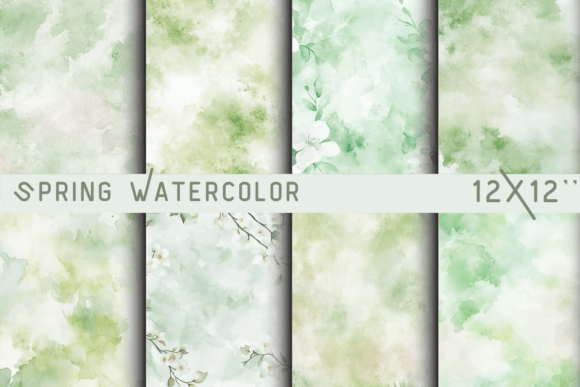
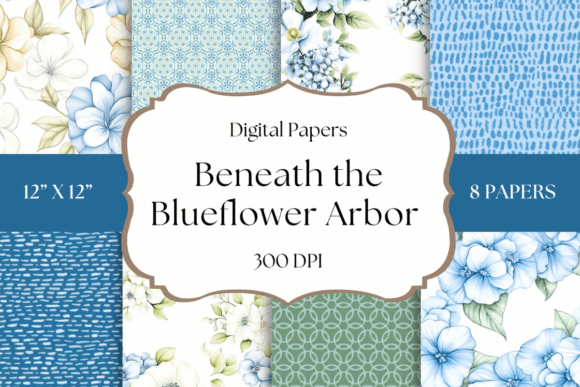
What makes this collection so visually compelling? It starts with its core inspiration: the gentle, romantic aesthetic of a cottage garden. The palette is carefully curated, moving beyond simple floral motifs to create a cohesive emotional tone. You’ll find soft sages that feel like sun-dappled leaves, creamy whites that evoke the blank space of a fresh morning, and various shades of blue that range from the delicate periwinkle of a forget-me-not to the deeper, more contemplative hue of a hydrangea. These aren't loud, competing colors; they work in harmony, making it easy to layer patterns or use them as standalone backgrounds without overwhelming a design.
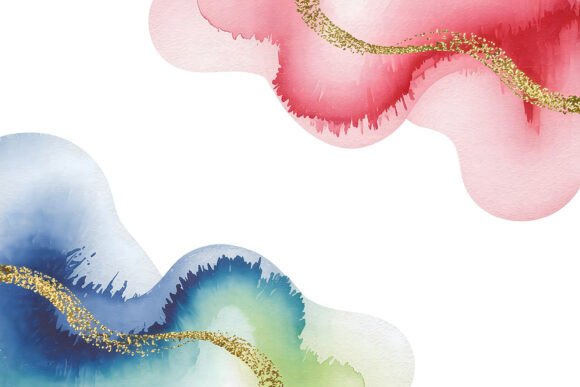
The textures are equally important. The watercolor effects are airy and organic, with subtle bleeds and soft edges that mimic real paint on paper. This quality is crucial for adding depth and a handcrafted feel to digital work. Unlike perfectly geometric patterns, these papers have a gentle imperfection that feels authentic and warm. For a designer, this means you can instantly inject a sense of artistry and human touch into a project, which is a powerful tool for building connection with an audience.
From Digital File to Tangible Brand Experience
Think about the small business owner crafting a brand identity for a artisanal tea company, a boutique wedding planner, or a skincare line focused on botanical ingredients. Consistency is key, but so is differentiation. These digital papers provide a unique visual foundation. Use a subtle floral pattern as the background for a product label, or a soft sage texture as the base for a website hero image. The result is a brand that feels cohesive, thoughtful, and immediately recognizable. It moves a brand’s visual identity from being merely functional to being experiential.
For packaging design, the applications are equally powerful. Imagine a gift wrap for a handmade candle, or a sleeve for a box of specialty chocolates. Using one of the more intricate floral patterns here can create an unboxing moment that feels special and curated. It tells the customer that care was taken in every detail, elevating the perceived value of the product inside. This is where design assets transition from being decorative to becoming a core part of the product story.
A Toolkit for the Modern Content Creator
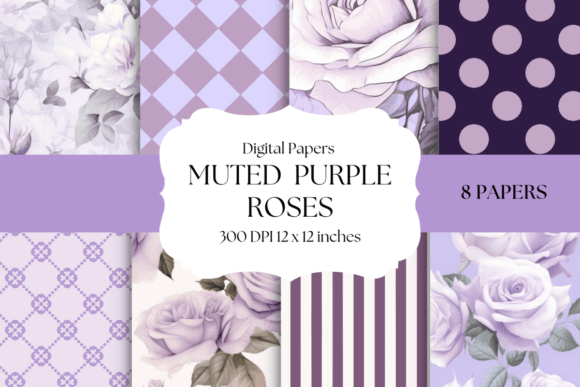
Beyond branding and physical products, this collection is a workhorse for digital content. The high-resolution 12”x12” JPEGs at 300 DPI are perfect for print and digital use. Consider the possibilities:
- Social Media Graphics: Create a series of Instagram story templates or Pinterest pins with a consistent, garden-themed backdrop. This builds visual recognition across your feed.
- Digital Stationery & Planners: Design printable inserts, notebook covers, or digital planner stickers. The romantic aesthetic is perfect for wedding planning journals, mindfulness diaries, or spring-themed organizational tools.
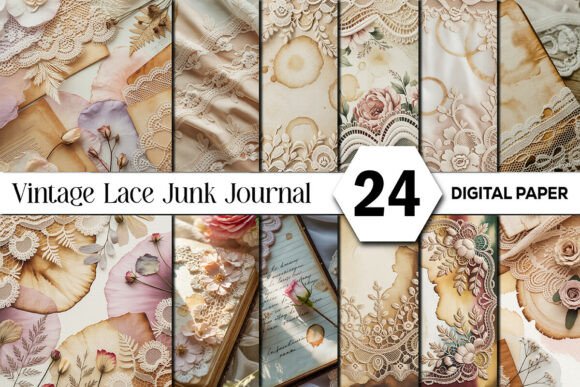
- Handmade Cards & Junk Journals: For crafters, these papers are instant collage material. They provide beautiful layers for scrapbooking, card making, and creating the textured backgrounds essential to junk journaling.
- Blog & Website Elements: Use them as subtle background textures for blog posts, as featured image backgrounds, or to create beautiful section dividers that maintain a cohesive site theme.
The key is to see each paper not as a finished piece, but as a versatile element. A single floral pattern could be used at full scale as a bold background, or tiled and faded to become a delicate, repeating texture. This flexibility allows a single asset to serve multiple projects, providing excellent value for creators who need to produce a high volume of content with a distinct style.
Making It Work: Practical Advice for Implementation
Having beautiful assets is one thing; using them effectively is another. First, consider your project’s primary goal. Is it to evoke nostalgia? Convey luxury? Communicate freshness? The softer, more textured papers might be perfect for a vintage-inspired brand, while the cleaner, more graphic patterns could suit a modern botanical logo. Always let the project’s objective guide your choice.
Typography pairing is critical when using such a distinctive background. To maintain readability, especially for body text, pair these patterns with clean, simple typefaces. A modern sans-serif font or a crisp, elegant serif font often provides the perfect counterbalance, ensuring your message isn’t lost in the visual beauty. For headlines, you might have more freedom to use a complementary script or display font, but always test it against the pattern to ensure clarity.
Finally, think about layering and opacity. Rarely will you want to use a pattern at 100% opacity behind text. Experiment with reducing the opacity to 20-40% to create a whisper of texture. Use solid color overlays to unify disparate elements. The goal is to create visual interest that supports, rather than competes with, your core content. By treating these papers as a foundational layer in your design process, you can unlock their full potential to create professional, engaging, and emotionally resonant work. Let your creativity find its own path, blooming naturally from this rich and versatile starting point.