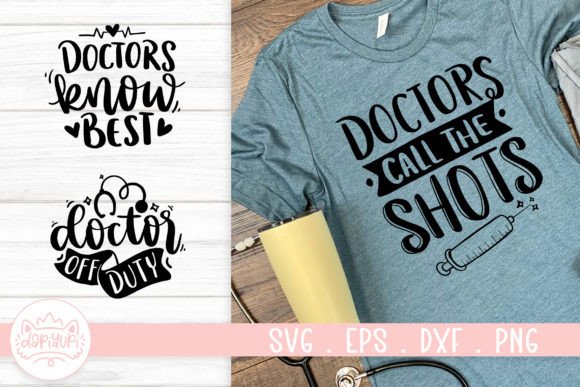
Doctor SVG Cut File: Creative Uses for Healthcare Crafts
There's something undeniably powerful about the imagery associated with healthcare—the classic stethoscope, the timeless caduceus, the friendly face of a teddy bear in scrubs. When we need to express care, support, or medical appreciation, the right visual makes all the difference. If you are running a small business, organizing a community event, or simply looking to add a professional touch to your personal projects, finding high-quality digital assets can be a game-changer. This is where the specific utility of a versatile vector design comes into play, offering endless possibilities for customization and application across various mediums.
Why Vector Quality Matters for Medical Themes
Before diving into the creative applications, it is essential to understand the nature of the files you are working with. When you download a design package, you aren't just getting a static image like a standard JPEG. You are receiving a set of scalable vector graphics. This distinction is critical for anyone involved in branding or merchandise creation.
Imagine you are designing a logo for a new pediatric clinic. You start with a small graphic for a business card, but later, you need that same image to be blown up for a window decal or a lobby sign. If you use a raster image (like a PNG or JPG without high resolution), it will become pixelated and blurry as you enlarge it. It looks unprofessional and damages your brand identity.
Vector files, such as SVG, EPS, and DXF formats, are defined by mathematical equations rather than pixels. This means you can scale them from the size of a postage stamp to the side of a billboard without losing a single ounce of clarity. The lines remain crisp, and the curves remain smooth. For a professional presentation, whether on a website or physical merchandise, this scalability is non-negotiable.
Exploring the Anatomy of the Design
The visual appeal of medical-themed graphics lies in their ability to communicate trust and competence instantly. A well-crafted illustration doesn't just represent medicine; it evokes a feeling of safety. When looking at a Doctor SVG Cut File, you want to ensure the artwork is digitally hand-painted or meticulously illustrated to avoid looking generic or "clip-art-ish."
High-quality design assets often feature distinct characteristics that make them stand out:
- Line Weight Variation: Good illustrations mimic the natural pressure of a hand-drawn sketch or the deliberate strokes of digital painting. This adds warmth to what can otherwise be a sterile subject.
- Layered Elements: Complex designs often include layers for different colors. This allows you to customize the palette to match specific brand identity guidelines—perhaps swapping standard red for a calming teal or a vibrant pink for a breast cancer awareness campaign.
- File Variety: A robust package usually includes SVG, EPS, DXF, and PNG files. The SVG and DXF are crucial for cutting machines (like Cricut or Silhouette), while EPS files are the gold standard for graphic designers using Adobe Illustrator or Photoshop.
From Screen to Reality: Practical Applications
The versatility of a single design file can be staggering if you know how to leverage it. Because these files are compatible with major editing software and cutting machines, they bridge the gap between digital design and physical products. Here is how you can apply these assets to real-world projects.
Apparel and Accessories
The "scrubs life" is a culture unto itself. Nurses, doctors, and medical students often look for fun, high-quality apparel to wear outside of work or to give as gifts. Using a Doctor SVG Cut File, you can create:
- Custom T-shirts and Hoodies: Use heat transfer vinyl (HTV) to press designs onto fabric. This is perfect for "Nurse Squad" shirts, graduation gifts for medical students, or uniforms for a private practice staff.
- Tumblers and Mugs: Coffee is a staple in the medical community. A custom tumbler featuring a stethoscope graphic or a witty medical quote makes for a highly personalized gift or a product for an Etsy shop.
- Embroidery: Many modern embroidery machines can read specific file formats. You can digitize the vector art to create patches for lab coats or caps, adding a high-end, tactile element to the design.
Stationery and Paper Goods
Paper goods remain a powerful medium for communication, especially in professional settings. The crisp lines of vector art ensure that your printed materials look sharp.
- Invitations and Announcements: Planning a hospital fundraiser, a baby shower for a doctor, or a retirement party for a beloved physician? Custom invitations set the tone. You can easily edit the text and colors in programs like Silhouette Studio or Adobe Illustrator.
- Stickers and Decals: Die-cut stickers are incredibly popular. You can create planner stickers for medical professionals tracking their shifts or laptop decals that show off school pride in medical school.
- Scrapbooking and Journals: For those documenting their journey through medical school or residency, or for parents documenting a child's health milestones, these graphics add meaningful context to memory keeping.
Home Decor and Signage
Visual consistency is key when decorating a space. Whether it is a medical office waiting room or a home study, the right artwork makes the environment feel curated.
- Palette Signs: Wood signs are a rustic, trendy way to display quotes or imagery. You can use the vector file to create a stencil for painting, ensuring the edges are perfectly clean.
- Wall Art: Framed prints featuring stylized medical instruments can add a sophisticated, modern touch to a clinic. Because the files are scalable, you can print them at any resolution required for professional framing.
Streamlining Your Workflow
One of the biggest hurdles for small business owners and content creators is time. You might have a great idea for a product, but the execution takes hours. This is where having a "plug-and-play" asset library helps.
When you acquire a premium design pack, you are essentially bypassing the hours of illustration work required to create the assets from scratch. Instead of drawing a stethoscope, you can focus on the layout, the marketing copy, and the customer experience.
However, it is vital to understand the technical side of your tools. If you are using a Silhouette Cameo, for example, you need to be aware of software versions. The basic version of Silhouette Studio often struggles with SVG files directly. Users typically need the "Designer Edition" upgrade to open SVGs natively, or they must use the included DXF files, which work with the basic software but may cut slower due to the nature of the file nodes. Knowing this beforehand saves a headache during the production process.
Customization: Making It Your Own
A digital file is a starting point, not a finished product. The real magic happens when you apply your own creative spin. Here are a few ways to ensure your final product looks unique:
- Color Theory: Don't stick to the default colors. If you are branding for a pediatric dentist, swap the clinical white and blue for pastel yellows and greens. Use the color separation features in your editing software to target specific parts of the design.
- Typography Pairing: If you are adding text to the graphic, choose a font that complements the illustration style. If the graphic is playful and rounded, a sharp, geometric sans serif font might look jarring. Conversely, a script font might pair well with a delicate line drawing.
- Composition: Don't just slap the graphic in the center. Use the "negative space" around the design to frame your text. Rotate elements, combine them with other graphics, or use just a portion of the design as an accent.
Commercial Use and Licensing
For the entrepreneur, the most important aspect of any design asset is its license. Before you sell that t-shirt or sign, you must ensure you have the right to use the artwork commercially.
Most reputable design marketplaces offer a license that allows you to sell physical end products. This means you can sell the t-shirt with the design on it, but you cannot sell the digital file itself to another person. This is a standard protection for designers. Always read the specific license terms provided with your download to ensure you are compliant. This protects both you and the original artist.
Final Thoughts on Elevating Your Visuals
In a visual world, the assets you choose define how your audience perceives your quality and attention to detail. Whether you are creating a line of merchandise for a hospital gift shop, designing flyers for a health fair, or making a personalized gift for a friend in the medical field, starting with a high-quality, scalable vector file ensures a professional result.
The Doctor SVG Cut File is more than just a digital image; it is a toolkit for creativity. It allows you to bridge the gap between a digital concept and a tangible product, helping you communicate themes of health, care, and professionalism with clarity and style. By mastering the use of these files and applying your unique brand of creativity, you can produce items that truly resonate with your audience.