Elevate Your Event Branding with This Professional Sign Mockup
When a client hands you a vision for their wedding or milestone celebration, your first job is to translate that emotion into something tangible. You aren't just choosing a font or a layout; you are building the physical atmosphere of the room before the event even happens. For graphic designers, event planners, and stationery artists, the bridge between a digital file and a real-world object is often a gap filled with uncertainty. How will that script font look under soft lighting? Will the ink opacity hold up against the texture of high-quality cardstock? This is precisely where having the right design assets becomes not just a convenience, but a necessity for professional presentation.
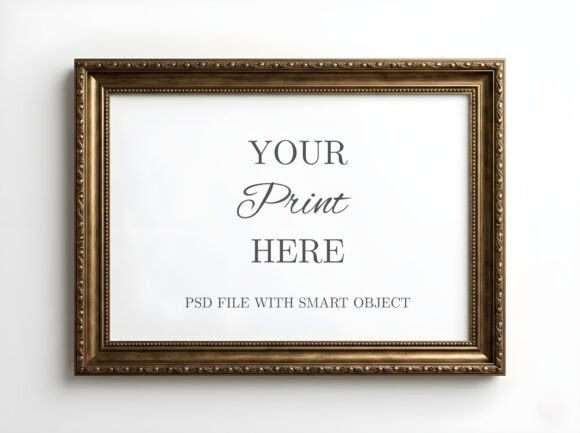
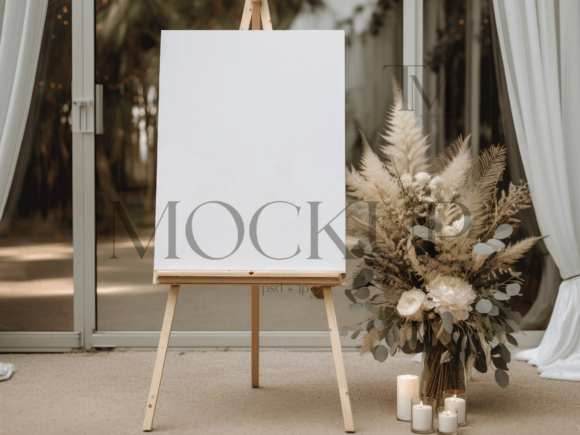
Visualizing the final product is the hardest part of the design process. A flat PDF or a standard screenshot rarely does justice to the elegance of a wedding suite or the playful vibe of a milestone birthday. To truly impress a client, you need to show them the context. You need to show them the easel, the shadows, and the scale. This 16x20 Welcome Sign Mockup, Easel Welcome is designed to solve that specific problem, offering a lifelike canvas for your digital creations.
The Power of Context in Design Presentation
In the world of branding and visual communication, context is everything. A beautifully crafted invitation design can look flat and uninspiring when presented on a stark white digital background. However, when that same design is placed onto a realistic surface, such as a wooden easel or textured paper, the perception of quality changes instantly. This mockup provides a premium environment for your work. It acts as a silent salesperson, helping your clients visualize exactly how their signage will anchor the entrance to their venue.
For designers who specialize in wedding stationery, the "day-of" signage is a critical component of the brand identity for the event. From seating charts to welcome boards, these pieces need to harmonize with the digital assets you’ve already created, such as the save-the-dates and RSVP cards. Using a high-fidelity mockup ensures that your typography choices—whether you are using a delicate script font for a romantic wedding or a bold sans serif font for a modern gala—remain legible and impactful at a larger scale.
Streamlining Workflow with Smart Objects
One of the biggest time-sinks for creative professionals is the rendering process. Trying to manually warp, shadow, and light a design to fit a photograph can take hours, and the result often looks artificial. The technical architecture of this asset is built around efficiency. The file utilizes Smart Object layers, which are essentially containers within the design file that allow you to insert your artwork with a single click.
Here is why this matters for your workflow: you simply double-click the Smart Object layer, paste your vector design or high-resolution artwork, save, and close. The software automatically applies the perspective, lighting, and texture of the scene to your design. This means you can test multiple font pairings or color palettes in minutes rather than hours. If a client asks, "What would this look like in gold foil?" you can show them a realistic preview almost instantly. This level of agility allows you to manage revisions professionally and keep the project moving forward.
Practical Applications for Brand and Business
While this tool is obviously valuable for event stationery, its utility extends far beyond weddings. If you are a small business owner or a creative entrepreneur, visual consistency across your marketing assets is how you build brand recognition. This mockup can serve a variety of strategic purposes:
- Social Media Graphics: Create eye-catching Instagram or Pinterest posts that showcase your latest design work. A realistic image of a sign on an easel stops the scroll much faster than a flat graphic.
- Portfolio Presentation: If you are trying to land a high-ticket client, your portfolio needs to look polished. Showing your logo design or typography work in a real-world scenario demonstrates that you understand production, not just design.
- Website Headers: Use the generated image as a hero image on your homepage to instantly communicate that you offer premium, high-quality design services.
- Digital Product Sales: If you sell templates on Etsy or Creative Market, a high-quality mockup is essential. It helps potential buyers see the value in your template by showing them what the end result will look like.
Consider a scenario where you are designing a logo for a local bakery. You want to show the client how their new branding would look on a sidewalk sign. Using this 16x20 Welcome Sign Mockup, Easel Welcome, you can place their new logo into the scene. Suddenly, the logo isn't just a vector file; it's a physical asset that the client can imagine seeing every morning. This emotional connection is what closes deals.
Typography Considerations for Large Format
Designing for a 16x20 inch surface is different than designing for a business card. Legibility is paramount, but so is personality. When using this mockup to test your designs, pay close attention to how different typefaces behave at scale.
Display fonts and handwritten fonts often look stunning in previews, but on a physical sign, they can become difficult to read from a distance. Use the mockup to step back (or zoom out) and check the "squint test." If the main message isn't readable when you squint your eyes, the font might be too decorative for the main headline. A good strategy is to pair a highly stylized script with a clean, geometric sans serif font for the supporting details. This creates a hierarchy that guides the viewer's eye from the headline to the subtext effortlessly.
Furthermore, contrast plays a huge role. Dark text on a light background is a classic for a reason—it works. However, if you are experimenting with modern typography trends like light grey on white or textured overlays, this mockup will help you determine if the design has enough contrast to be read in various lighting conditions, such as a dimly lit banquet hall versus a sunny outdoor garden.
Enhancing Client Communication and Expectations
Miscommunication is the enemy of a smooth design project. Clients often lack the spatial imagination to look at a digital proof and understand scale or materiality. They might approve a layout on a screen, only to be disappointed when the physical sign arrives because they didn't realize how "empty" the white space would look or how small the footer text would be.
By presenting your work using a realistic scene, you bridge that gap. You are providing a stunning preview that manages expectations. When a client sees their seating chart design on this mockup, they understand the format. They see the easel legs and the size relative to a standard doorway. This reduces the likelihood of last-minute changes and ensures that the final printed product matches the vision you sold them.
Integrating the Mockup into Your Design System
Think of this asset as part of your broader design toolkit. Just as you would curate a library of premium fonts or stock photos, having a library of high-quality mockups allows you to maintain a consistent aesthetic across your own branding. If you are a wedding planner, you can use this to create a "look book" for prospective clients, showing them a cohesive style from the invitation suite to the day-of signage.
The file includes a high-resolution JPG and the layered PSD file. The high resolution (4800x3840) ensures that even if you crop in on a specific detail—like the corner of the sign or the texture of the easel wood—the image remains crisp and professional. This is particularly important for editorial design or blog posts where you might want to focus on specific design elements.
Final Thoughts on Professional Presentation
In a saturated market, the difference between an amateur and a professional often comes down to presentation. It is not enough to simply have a good idea; you must execute that idea with polish and precision. Tools like the 16x20 Welcome Sign Mockup, Easel Welcome are not just about making things look pretty; they are about communicating value, saving time, and building trust with your audience.
Whether you are finalizing a wedding suite, pitching a rebrand to a corporate client, or updating your Etsy shop listings, having a realistic canvas for your work is invaluable. It allows you to focus on what you do best—creating beautiful designs—while ensuring that the presentation of those designs is flawless. By investing in the right assets, you aren't just buying a file; you are buying the confidence to show your work in its best light.