Streamline Your Workflow: Essential Mockups for Designers
Every designer and creative entrepreneur has been there: you’ve spent hours perfecting a font, tweaking a logo, or designing intricate lettering, only to present it on a stark white background. While the design itself might be flawless, the presentation lacks the context that sells the vision to a client or a customer. A beautiful wedding invitation design looks significantly different when viewed as a static file compared to how it looks resting on a marble table with soft, natural lighting. This is where the power of high-quality visual assets comes into play, transforming a simple concept into a tangible experience.
Why Context Matters in Visual Presentation
In the competitive world of digital design and e-commerce, your portfolio or shop listing is often the first point of contact. Whether you are selling digital downloads, offering freelance branding services, or marketing your own stationery business, the "mockup" is the bridge between your digital file and the customer's imagination. A mockup is essentially a template—a pre-photographed scene where you can digitally insert your artwork to simulate a real-world product.
The value of a tool like the Invitation Mockup, Greeting Card Mockup lies in its ability to provide immediate professional context. Instead of asking a client to visualize how a logo might look on a card, you are showing them exactly how it will appear in hand. This reduces hesitation and significantly increases the perceived value of your work. When you present a design within a styled environment, you aren't just selling a graphic; you are selling the aesthetic and the emotion attached to it.
Practical Applications for the Modern Creative
You might be wondering how a single set of digital assets can serve such a wide variety of industries. The versatility of a square 10x10 inch format is surprisingly broad, particularly for those working in digital marketing and social media. Here is how different professionals can leverage these specific types of design assets:
- Font Designers and Typographers: If you have created a new premium font or script font, showing the letterforms in isolation is rarely enough. Placing your typeface on a greeting card mockup demonstrates readability, kerning, and flow in a real-world scenario. It answers the question, "How does this font actually perform on paper?"
- Stationery and Etsy Sellers: For those selling printable invitations, using a realistic photo-mockup is the industry standard. It allows you to display your wedding stationery or birthday card designs without the cost of printing and photographing physical samples for every variation.
- Social Media Managers: Content creation requires a steady stream of fresh visuals. These mockups are perfect for Instagram grids, Pinterest pins, or Facebook ads. A high-resolution image of a card design adds texture and depth to a feed that might otherwise be flat.
- Brand Strategists: When developing a brand identity, you need to show how the visual language translates across different mediums. Using a greeting card mockup can help visualize how a logo interacts with different textures and paper stocks.
Optimizing for Digital Storefronts and Marketing
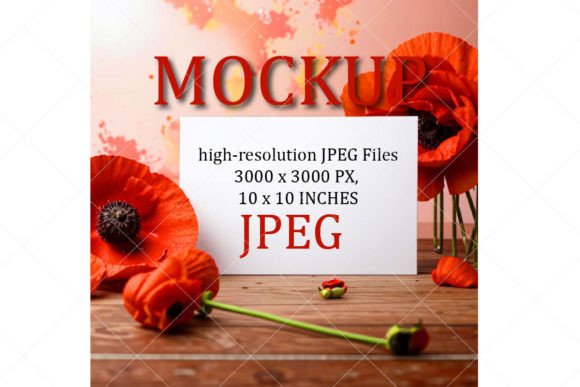
If you operate a digital storefront, such as on Creative Market or Etsy, the main image is the single most important factor in getting a click. The Invitation Mockup, Greeting Card Mockup bundle provides 13 distinct high-resolution files. This variety is crucial for A/B testing your thumbnails. You might find that a design sells better when displayed on a light background versus a dark one, or that a specific angle garners more engagement.
Furthermore, the dimensions of these assets—3000 x 3000 pixels at 300 DPI—ensure that your work looks crisp on everything from a mobile phone screen to a high-definition desktop monitor. In the realm of web design and editorial design, pixelation is a sign of unprofessionalism. By using high-resolution JPEGs, you maintain the integrity of your modern typography and intricate design details, ensuring that your audience sees exactly what they are paying for.
Enhancing Brand Recognition Through Consistency
One of the most overlooked aspects of marketing is visual consistency. If you are a small business owner sending out newsletters, or a blogger creating social media graphics, using a consistent set of mockups creates a cohesive aesthetic. When a follower sees your content, the familiar lighting and styling of your mockups become part of your brand recognition.
Imagine you are launching a new product line. You can use these mockups to create a series of teasers. Because the background and lighting remain consistent across the 13 files, your audience subconsciously associates that specific style with your brand. It creates a professional "look" that doesn't require a photography degree to achieve. This is particularly useful for packaging design previews or merchandise showcases where the product itself isn't physical yet.
Streamlining the Client Approval Process
For freelancers and agencies, time is money. The back-and-forth email chain trying to explain a design concept can be draining. Integrating mockups into your presentation deck changes the dynamic of the pitch. When you present a logo design or a custom illustration embedded within a realistic mockup, you are providing a "wow" factor that static files cannot match.
Clients often struggle with abstraction. Showing them their new logo on a business card mockup or their wedding monogram on an invitation mockup helps them finalize their decision faster. It bridges the gap between the abstract idea and the final physical product. This efficiency not only makes you look more professional but also speeds up the payment cycle.
Technical Specifications and Usability
While the artistic application is important, the technical side cannot be ignored. The Invitation Mockup, Greeting Card Mockup is designed for ease of use. Because the files are delivered in JPEG format, they are universally compatible with almost any software, from Adobe Photoshop and Illustrator to free online editors like Canva.
The 10x10 inch square format is currently the most versatile aspect of digital design. It is the native aspect ratio for Instagram posts, fits perfectly into Pinterest layouts, and works well for website headers. Whether you are a crafter making print materials or a digital marketer creating posters, the square ratio ensures your design is the focal point without awkward cropping.
Maximizing Your Investment in Design Assets
Purchasing digital assets is an investment in your workflow. To get the most out of a mockup bundle, consider these practical tips:
- Layering for Depth: Even with JPEGs, you can use blend modes (like Multiply or Overlay) in photo editing software to make your design look like it is physically printed on the paper texture, rather than just sitting on top of it.
- Batch Processing: If you have a collection of 20 different card designs, create a template in your editing software. This allows you to swap out the artwork in seconds, generating a month's worth of social media content in a single afternoon.
- Color Matching: Pay attention to the lighting in the mockup. If the mockup has warm, golden-hour lighting, ensure your design colors complement that warmth, or adjust the white balance of your design layer to match the scene.
Ultimately, the goal of any creative font or design project is to communicate a message effectively. By utilizing high-quality mockups, you ensure that your message is received exactly as intended—polished, professional, and ready for the real world. Whether you are showcasing a delicate handwritten font or a bold sans serif