White Textures: A Digital Paper Pack for Subtle Elegance
There’s a certain magic in white. It’s the color of snow, clean linen, and fresh beginnings. In design, white space isn’t empty—it’s full of potential. But what happens when white itself becomes the texture, the pattern, the focal point? That’s where the White Textures digital collection comes in. This isn’t just another paper pack; it’s a toolkit of shimmering, glittering, and subtly patterned white surfaces designed to add depth, sophistication, and a tactile quality to your projects without overwhelming your color palette.
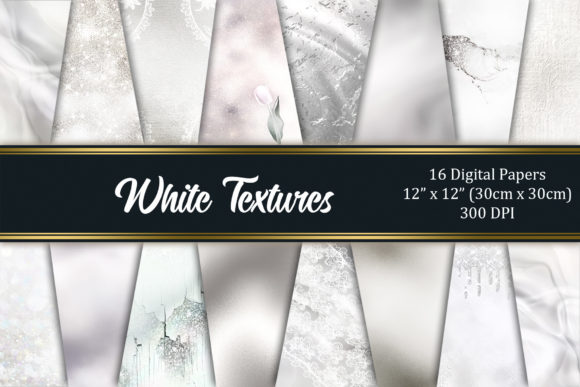
Imagine a greeting card that feels luxurious to the touch, a wedding invitation that glimmers under light, or a social media graphic that stands out with understated elegance. This collection provides 16 high-resolution, 12x12 inch JPEG files at 300 DPI, making them versatile for both digital and print applications. Whether you're a designer crafting brand materials, an entrepreneur packaging a product, or a hobbyist creating personalized gifts, these textures offer a foundation of quiet luxury.
The Subtle Power of a Textured White Background
Why choose a textured white over a flat one? A flat white can sometimes feel sterile or digital. A textured white, however, introduces dimension. The White Textures pack includes variations with glitter, shimmer, and paper grain. This means a logo placed on one of these backgrounds gains immediate depth. A product photo for packaging design gets a natural, artisanal feel. For web design, a subtle texture can break the monotony of solid blocks, guiding the eye and improving user engagement without sacrificing readability.
For brand identity work, consistency is key. Using a specific texture from this pack across your marketing assets—from your website header to your Instagram story templates—can create a cohesive, recognizable aesthetic. It’s a way to be memorable without being loud. Think of a boutique bakery using a soft, glittering white texture on its menu, website, and takeaway bags. The texture becomes part of its story, communicating quality and care.
Practical Applications for Designers and Creators
The real value of any design asset is in its application. Let’s move beyond theory. Here’s how you can integrate these white textures into your workflow:
- Print Collateral & Invitations: Use the high-resolution files to create stunning wedding invitations, baby shower announcements, or luxury business cards. The 300 DPI ensures crisp printing, and the texture adds a premium feel that flat paper can't match.
- Digital Products & Planners: If you sell printable planners or stickers on Etsy or your own site, layering your designs over a textured white background can make your products look more professional and ready-to-use, increasing their perceived value.
- Social Media & Content Creation: Create cohesive Instagram posts, Pinterest pins, or YouTube thumbnails. A consistent textured background helps your content look polished and branded, even when the foreground content changes.
- Merchandise & Mockups: Design graphics for T-shirts, mugs, or tote bags. A white texture can serve as a fantastic base for a design, or you can use the texture itself as a pattern for all-over prints.
- Editorial Layouts & Presentations: For bloggers or professionals creating reports, using a textured white as a page background can make text-heavy documents more visually engaging and easier to read, breaking up the clinical feel of standard white.
Pairing and Practicality: Making Textures Work for You
A common question with any premium font or texture pack is: how do I use it without making my design look cluttered? The answer lies in balance and pairing. These white textures are inherently neutral, making them incredibly versatile partners for other design elements.
Typography Pairing: Since the background has texture, pair it with clean, legible typefaces. A bold sans serif font for headlines can create a strong contrast against a delicate shimmer. A classic serif font for body text will maintain readability while complementing the texture’s elegance. Avoid overly ornate script fonts for large blocks of text; instead, use them sparingly for accents where the texture won’t compete with the letterforms.
Color and Element Pairing: Let the white texture be your canvas. Layer solid color blocks, crisp photography, or vector graphics on top. The texture will peek through at the edges or as a background, adding that extra layer of sophistication. For a minimalist brand, this approach allows you to maintain a clean aesthetic while adding visual interest.
Testing is Crucial: Always test your designs at the intended size. A texture that looks perfect on screen might print differently. Check how your chosen texture interacts with your font pairing for readability, especially for smaller text. Does the glitter distract from the words? If so, use a more subtle paper-grain texture for text-heavy areas and save the shimmer for headers or decorative elements.
A Note on Licensing and Commercial Use
Before diving into a commercial project, it’s always wise to review the licensing terms of any digital collection. Typically, packs like White Textures are licensed for both personal and commercial use, allowing you to create and sell end products like invitations, merchandise, or printed designs. However, you generally cannot resell the raw texture files themselves as a standalone product. Understanding this distinction protects your work and ensures you’re using the asset ethically and legally.
Ultimately, the goal of any design resource is to solve a problem or enhance a vision. The White Textures pack solves the problem of adding tactile depth and luxury to projects where color must be restrained or where a neutral, elegant foundation is required. It’s a tool for creating atmospheres—of celebration, of professionalism, of purity. By thoughtfully integrating these textures, you’re not just filling space; you’re crafting an experience for your audience, one subtle shimmer at a time.