Orange Wood Grunge Textures: The Raw Material for Authentic Design
There’s an undeniable warmth and authenticity in materials that tell a story. A weathered barn door, a worn workshop table, the textured grain of reclaimed timber—these surfaces carry a history that polished, digital perfection often lacks. For designers and creators seeking to infuse their work with this kind of organic, tactile character, Orange Wood Grunge Textures offer a versatile and visually rich foundation. This collection isn't just a set of patterns; it's a toolkit for adding depth, grit, and a handcrafted feel to a vast array of projects, bridging the gap between digital creation and tangible, artisanal quality.
The Aesthetic Appeal of Weathered Warmth
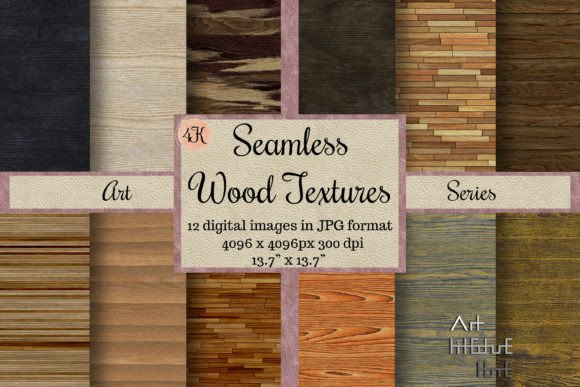
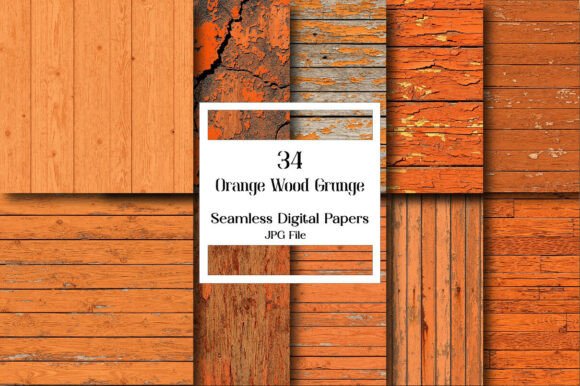
What makes these textures so compelling? The answer lies in their nuanced visual personality. The "orange wood" component provides a base of warm, earthy tones—think sun-bleached oak, aged cedar, or the rich hue of stained pine. This warmth is inherently inviting and pairs beautifully with a wide spectrum of colors, from deep greens and navy blues to creamy neutrals and bright pastels. The "grunge" element is where the magic happens. It introduces subtle imperfections: fine scratches, subtle cracks, areas of wear, and natural variations in tone. This prevents the texture from looking flat or artificially digital. Instead, it mimics the beautiful decay and character of real-world materials, adding instant credibility and a sense of tactility to any surface it touches. It’s a premium font for your background, setting a stage that feels lived-in and real.
From Digital Canvas to Physical Product
The true power of a resource like Orange Wood Grunge Textures is its chameleon-like adaptability. As a seamless design asset, it can be tiled infinitely to cover any size, making it a workhorse for both small and large-scale applications. Consider the entrepreneur designing a brand identity. This texture can become the subtle backdrop on a business card, the defining surface on product packaging, or the hero image on a website, creating an immediate visual language of craftsmanship and durability. For content creators and marketers, it transforms mundane social media graphics into eye-catching posts that stop the scroll. Use it as a background for quote cards, promotional announcements, or Instagram story templates to add a layer of sophistication and visual interest that generic solid colors simply cannot achieve.
For those in the world of physical goods and crafts, the applications are even more direct. This texture is perfect for sublimation graphics, allowing you to transfer its rich, detailed surface onto tote bags, notebook covers, personalized pillows, and tumblers. Imagine a set of mugs with a worn wood grain finish, or candle and soap labels that look like they were printed on reclaimed timber. It elevates everyday items into curated pieces. The digital file is also ideal for creating printable fabric, party napkins and plates, or playing cards, ensuring a cohesive and themed aesthetic for events or product lines. For the scrapbooker or journal enthusiast, it provides the perfect decoupage material or background for mini junk journals, adding authentic texture without the mess of actual glue and wood.
Integrating Texture into Your Design Workflow
Using a texture effectively requires more than just slapping it onto a layer. To maximize its impact, think about how it interacts with your other design elements. If you're working on a logo design, consider using the texture as a clipping mask within your logo mark or as a distressed overlay on your typography to give it a vintage, stamped quality. When designing for editorial layouts or book covers, a subtle, desaturated version of the texture can add a sophisticated, tactile feel to a chapter opener or a full-page background without competing with the main imagery or text.
Pairing is key. This warm, organic texture naturally complements certain font styles. It creates a stunning contrast with clean, modern sans serif typefaces, making the text pop. It also harmonizes beautifully with elegant serif fonts for a classic, established look. For a truly handcrafted vibe, pair it with a delicate script font or a handwritten font. Experiment with font pairing to see what resonates with your project's goal—whether that's rustic charm, urban ruggedness, or vintage nostalgia. Always test readability, especially when placing text directly over the texture. Using a semi-transparent color overlay, a subtle drop shadow, or a solid shape behind your text can ensure your message remains clear and legible.
A Practical Asset for Modern Creators
In a digital landscape saturated with sterile, overly polished visuals, incorporating organic elements like Orange Wood Grunge Textures can be a strategic differentiator. It helps build visual consistency across all your marketing assets, reinforcing brand recognition through a unique and memorable aesthetic. For small business owners, it offers a cost-effective way to achieve a high-end, professional presentation that might otherwise require expensive custom photography or illustration. It’s a versatile component in your library of design assets, ready to be deployed for website backgrounds, digital presentations, wall art, and handmade stationery.
Remember, the provided files are high-resolution (300 DPI) JPGs, ready for print and digital use, and can be easily resized to fit your needs. They arrive without watermarks, ensuring a clean slate for your creativity. Whether you're a graphic designer crafting a brand identity, a crafter making DIY projects, or a blogger designing social media graphics